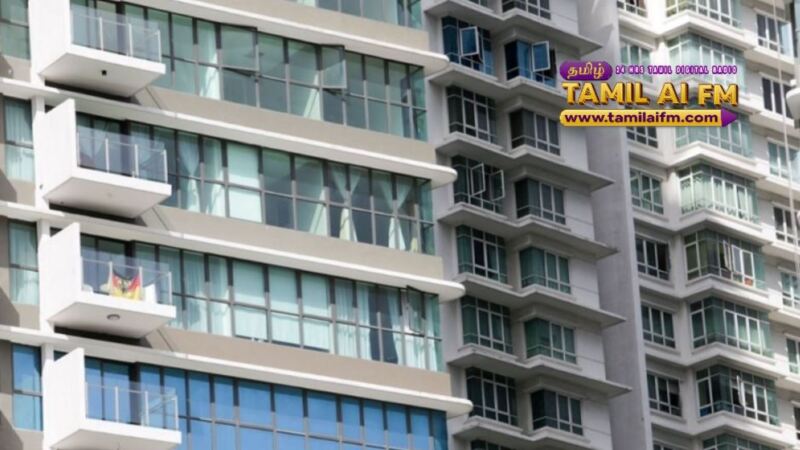
KUALA LUMPUR, Jan 11 — If you’ve long been infuriated by 2.00am poolside parties and other shenanigans and nuisance wrought by Airbnb guests in the neighbouring units of your high-rise apartment, 2026 may bring some welcome new laws.
News reports citing officials suggest a regulatory framework is in the pipeline and could be made public by early 2026, in time for the record number of tourists expected as the new year marks the start of Putrajaya’s year-long tourism drive, when some homeowners will be eager to cash in.
Housing and Local Government Minister Nga Kor Ming said his ministry has prepared the National Framework (PLANMalaysia), which includes a Uniform Planning Guideline for short-term rental accommodation services.
Nga told Parliament in August the framework will spell out ways to address disturbances, and will likely include a licensing requirement with preconditions to ensure compliance with standards required of property owners providing short-term rental.
But when exactly the regulation will take effect is unclear.
In the meantime, are there any recourse options for residents and proprietors to take regarding short-term rental units at their development?
There are, and here’s what you can do.
Know your legal standing
In Malaysia, the legality of Airbnb is governed primarily by the Strata Management Act (SMA) 2013, which grants proprietors the collective power to enact any rule they deem to be best for their community, so if a majority of residents feel they want to ban or restrict commercial renting in their property, they can.
This means the voted-for rule becomes a binding by-law.
In 2020, the country’s apex court reaffirmed this power in a verdict for the Innab Salil & Ors v Verve Suites Mont’ Kiara Management Corporation case, which declared a special resolution of owners to bar short-term rentals as lawful.
This set a precedent for another case just last year.
In the Wawasan Raya v Marc Residence case, the Court of Appeal ruled that while short-term rental accommodation (STRA) services aren’t “illegal”, management bodies can strictly enforce by-laws against them if they follow the correct statutory procedures, that is voting and passing an additional by-law via a special resolution at a general meeting.