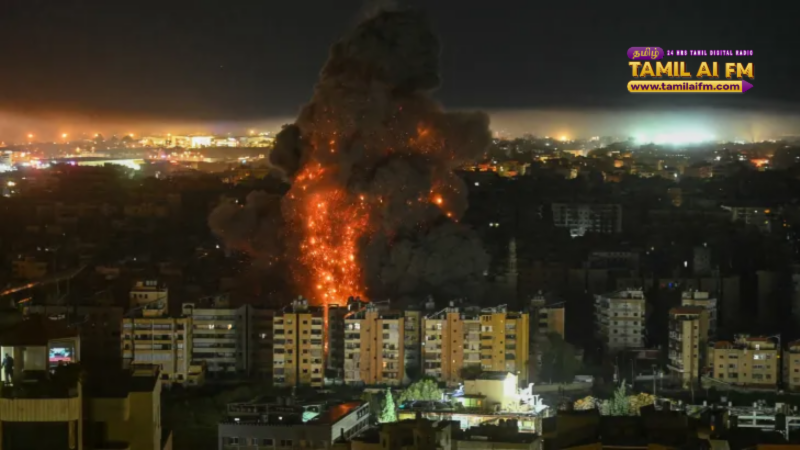
The conflict between the US-Israel coalition and Iran has entered its 11th day with what US Defense Secretary Pete Hegseth described as the "most intense day of strikes" yet. Joint US-Israeli forces targeted nearly 10,000 sites across Iran, including command centers and nuclear infrastructure, in a massive aerial campaign. In a significant naval operation, the US military destroyed 16 Iranian mine-laying vessels near the Strait of Hormuz to prevent the disruption of global oil flows.
In retaliation, Iran launched a wave of heavy, multi-warhead ballistic missiles and drones targeting cities such as Tel Aviv and Jerusalem, as well as fuel refineries in Haifa. Several neighboring countries, including Saudi Arabia, Bahrain, and the UAE, reported intercepting Iranian projectiles in their airspace. The human toll continues to rise, with Iranian officials reporting over 1,300 civilian deaths since the war began, while the Pentagon confirmed around 140 US service members have been wounded.
The geopolitical fallout has reached a fever pitch, with Gulf leaders expressing "fury" over the escalation and world leaders debating the likelihood of de-escalation under Iran's new supreme leader. US President Donald Trump has issued stern warnings to Tehran, stating the war will not end until Iran’s "complete and unconditional surrender" is achieved. Meanwhile, Turkey has reported shooting down an Iranian missile that entered its airspace as the regional chaos threatens to draw in more nations.