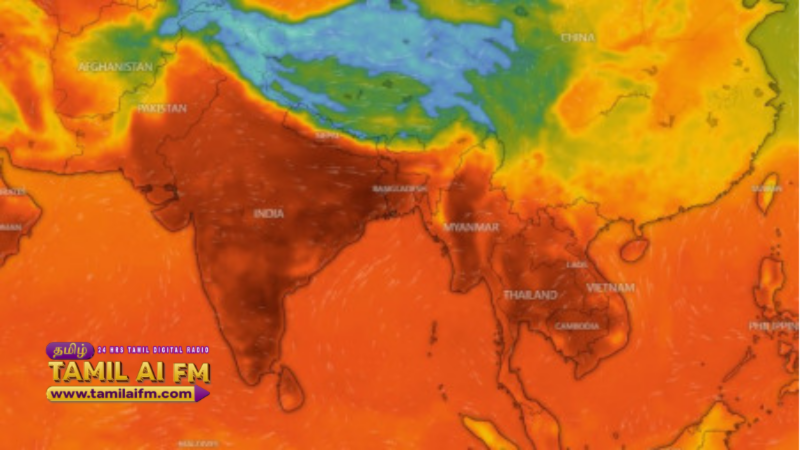
A lethal heatwave is sweeping across Southeast Asia, with authorities in Bangkok warning that the heat index has reached "extremely dangerous" levels of over 52°C. The scorching temperatures have forced schools to close in parts of Thailand, the Philippines, and Vietnam, while governments have issued urgent health advisories to millions of residents. Climate experts attribute this unprecedented spike to a combination of seasonal shifts and the long term effects of global warming.
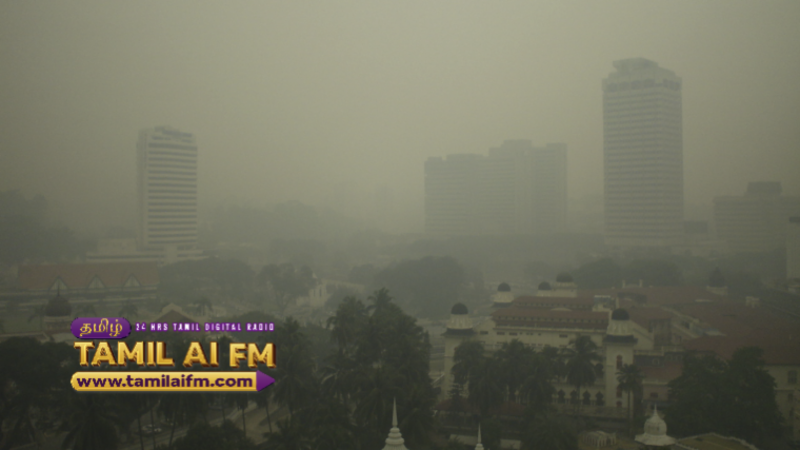
The extreme heat has placed a massive strain on regional power grids as air conditioning demand reaches an all time high. In Vietnam and Thailand, officials are struggling to manage energy reserves, which have already been depleted by the ongoing global fuel crisis. Agricultural sectors are also feeling the burn, with farmers reporting significant crop losses in northern Thailand where the heat has been compounded by severe toxic smog and forest fires.
In response to the crisis, some cities are implementing "cooling centers" and distributing emergency water supplies to vulnerable communities. Public health officials have reported a rise in heat related illnesses, including heatstroke and respiratory issues caused by the poor air quality accompanying the heat. As the heatwave is expected to persist through mid April, regional leaders are calling for more robust climate adaptation strategies to protect their populations from future extreme weather events.