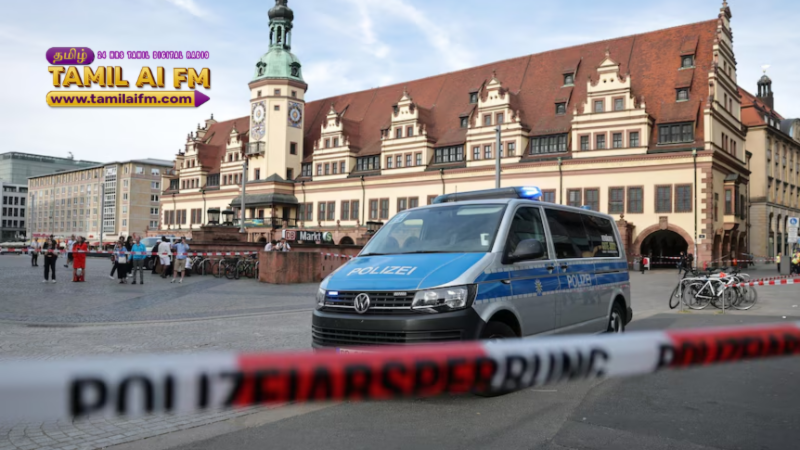
A tragic incident has occurred in Leipzig, Germany, where at least two people were killed and several others injured after a car drove into a crowd of pedestrians. German authorities have arrested the driver and are currently investigating whether the act was intentional or the result of a medical emergency or accident. The area around the city center remains cordoned off as forensic teams work to determine the motive behind the crash, which has sent shockwaves through the local community.
On the broader political stage, international analysts and leaders are increasingly discussing a vision where the global world order could be "rebuilt out of Europe." This concept suggests that as traditional superpowers face internal shifts, the European Union is positioning itself to take a more dominant role in setting international standards for security, climate policy, and digital regulation. European leaders are pushing for "strategic autonomy," aiming to reduce reliance on external powers and establish a more self-sufficient defensive and economic framework.
These developments come at a time of heightened security awareness across the continent, as nations grapple with both internal threats and external geopolitical pressures. The incident in Leipzig has further intensified debates regarding public safety and the protection of pedestrian zones in major European cities. Meanwhile, high-level summits in Brussels are focusing on how a unified European voice can provide stability in an increasingly fragmented global landscape, potentially making the continent the new architect of international diplomacy.