PUCHONG — Government agencies responsible for disaster management are on high alert ahead of the possible onset of a ‘Super El Nino’ towards the end of the year, while also stepping up preparations to mitigate the risks of extreme heat, haze and open burning during the Southwest Monsoon.
National Disaster Management Agency (Nadma) director-general Meor Ismail Meor Akim said the coordination meeting held today was not because agencies were unprepared, but to update the public on their current state of readiness and strengthen coordination among the ministries and agencies involved.
“All agencies have taken the necessary measures. We invited the media today to brief the public on the preparations that have been made so that people are also aware and better prepared.
“The government’s approach is no longer one of waiting for incidents to occur. Instead, the focus is on early action, risk reduction and comprehensive preparedness,” he told a press conference after a media engagement session on the government’s preparedness for the 2026 Southwest Monsoon here today.
The session featured integrated briefings by six agencies — the Health Ministry (MoH), Education Ministry (MoE), the Malaysian Meteorological Department (METMalaysia), the Fire and Rescue Department (JBPM), the Department of Irrigation and Drainage (DID) and the Department of Minerals and Geoscience Malaysia (JMG).
Meor Ismail said all government assets could be mobilised under the national disaster management mechanism to ensure a swift response should the situation become more critical.
He also urged the media to help disseminate information on preventive measures and preparedness so the public would be more aware of the risks posed by hot weather, open burning and haze in the coming months.
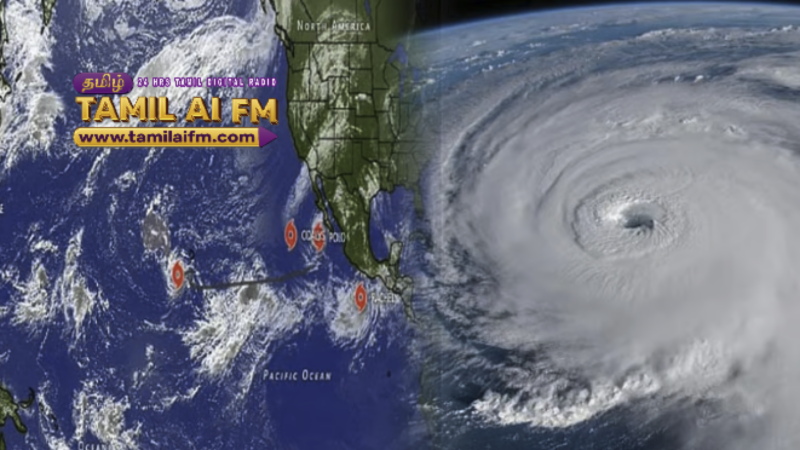
Meanwhile, METMalaysia deputy director-general (Operations) Ambun Dindang said developments relating to the possible ‘Super El Nino’ were being closely monitored using data from the United States’ National Oceanic and Atmospheric Administration (NOAA) and Climate Prediction Centre (CPC), particularly changes in sea surface temperatures in the central Pacific Ocean.