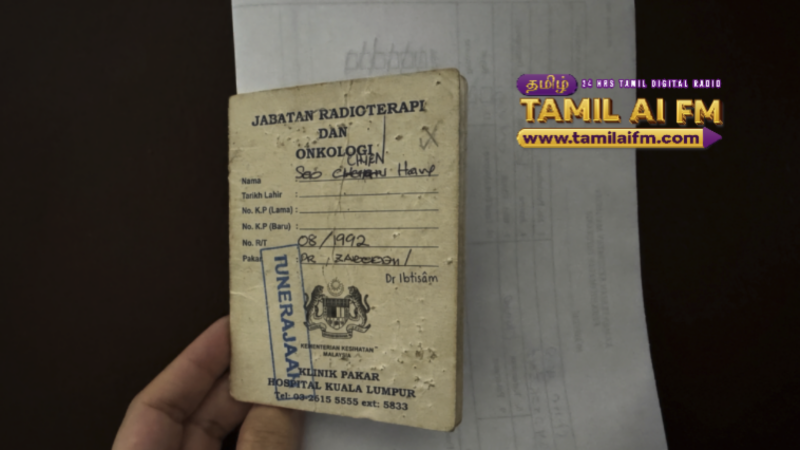
KUALA LUMPUR — For a patient visiting a hospital where electronic medical records are already in use, much of the paperwork that has traditionally accompanied a trip to a government hospital can now happen behind a screen.
Registration is recorded electronically, appointments are managed through the hospital’s information system, and doctors can retrieve a patient’s medical information without having to wait for a physical folder to arrive from another department.
The idea behind an electronic medical record (EMR) is straightforward: instead of a patient’s medical history being stored primarily in paper files, the information is recorded and managed digitally, allowing authorised healthcare personnel to retrieve it when needed.
But Malaysia is still in the process of making that transition across its public healthcare system.
For patients who continue to encounter paper-based processes, the contrast between the two systems can sometimes be stark.
Jensen Lim, 38, recalled how his paper appointment book was once drenched in water, creating problems when he needed to arrange his next appointment.
“If you forget to bring the appointment book, you can’t get an appointment or even change the date of an existing appointment.
“Even a surgery appointment was dependent on a cardboard appointment slip,” Lim said when contacted by Malay Mail.
At an orthopaedic department, another patient who had suffered a dislocated and fractured shoulder said she was made to wait about two hours while a nurse searched for her medical file.
CK Tan, 70, said the hospital was eventually unable to locate it.
“I cannot comprehend how they lost such a thick file (about one inch).