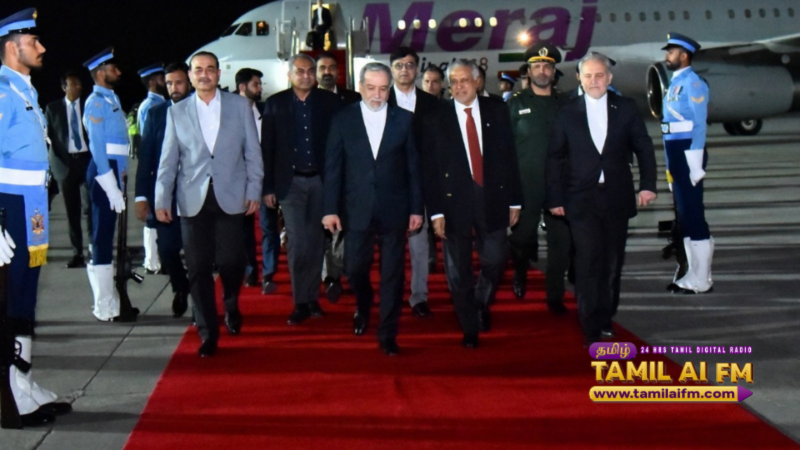
Iranian Foreign Minister Abbas Araghchi has arrived in Islamabad for high-level talks as international efforts intensify to stabilize the Middle East. While Araghchi has denied direct negotiations with the United States, his visit comes as the U.S. continues to impose a "financial stranglehold" on Tehran, most recently sanctioning a Chinese "teapot" refinery for purchasing Iranian oil. These diplomatic maneuvers are taking place against a backdrop of severe regional tension, with the Strait of Hormuz remaining closed, causing significant disruptions to global oil supplies.
The closure of this strategic waterway has led to "surge pricing" for alternative routes like the Panama Canal, where some companies are reportedly paying up to $4 million to skip queues. The International Energy Agency (IEA) has warned that approximately 13 million barrels of oil per day are currently offline with no immediate "cure in sight". In a slight sign of normalization, national carrier Iran Air announced the resumption of its international flight schedule starting today, April 25.
U.S. President Donald Trump recently announced a three-week extension of the fragile Israel-Lebanon ceasefire following meetings at the Oval Office. However, the situation remains volatile as a third U.S. aircraft carrier, carrying thousands of additional troops, has entered the waters near the region. Global markets remain on edge, with the Malaysian ringgit and other emerging currencies retreating as investors seek safe-haven assets due to the ongoing Hormuz deadlock.