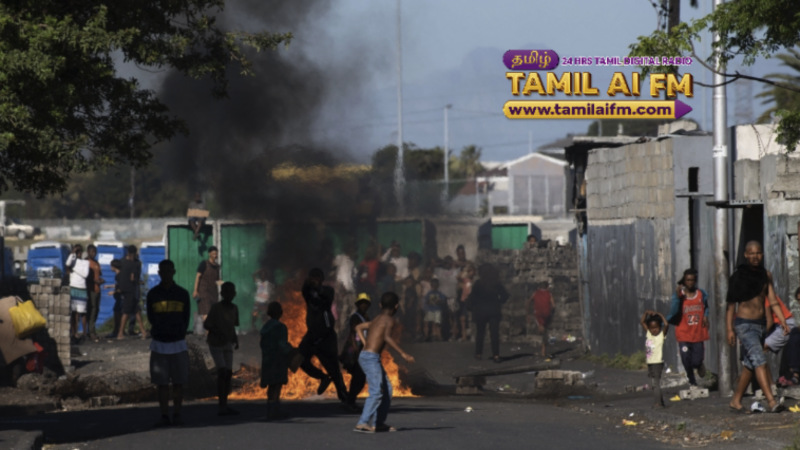
CAPE TOWN — Ntombekhaya Makeleni stopped using the communal toilets in her Cape Town neighbourhood after a group of men tried to force their way in as she was inside one day before dawn.
Now the 53-year-old relies on a bucket that is emptied outside later, as do many others in the deprived township of Khayelitsha where thousands live in informal shacks with no sanitation.
The lack of a decent toilet is pushing Makeleni to the polls in South Africa’s local government elections next week. “I will be voting because after voting, things will be fixed,” she told AFP.
The November 4 poll promises a glimpse into whether frustrations with local government failures are changing political loyalties — including for the once long-dominant African National Congress (ANC) — ahead of the 2029 general election.
A lack of basic services such as water and power, crumbling infrastructure and high unemployment are high among the concerns of more than 29 million people registered to vote.
In the east coast city of Durban, 27-year-old Nikesh Nunkoo said water cuts in his neighbourhood of Shallcross could last anywhere from three days to two weeks.
Having voted in three previous elections, he was still weighing whether to cast a ballot this time. “I don’t have any hope that things would be better in the next five years,” he said.
Nkanyiso Hadebe, 24, who lives in an informal settlement in the city’s Chatsworth area, was clear. “I will not vote because voting changes nothing,” he said.